
Some of Shetland’s most rewarding outings begin with a simple decision to spend time outside. A beach walk, a patient spell watching seabirds or a short coastal stroll can be enough for a memorable day. Choose the place to suit the season, the conditions and your group, rather than setting out with a list of animals you must see.
Start with seasonal seabirds
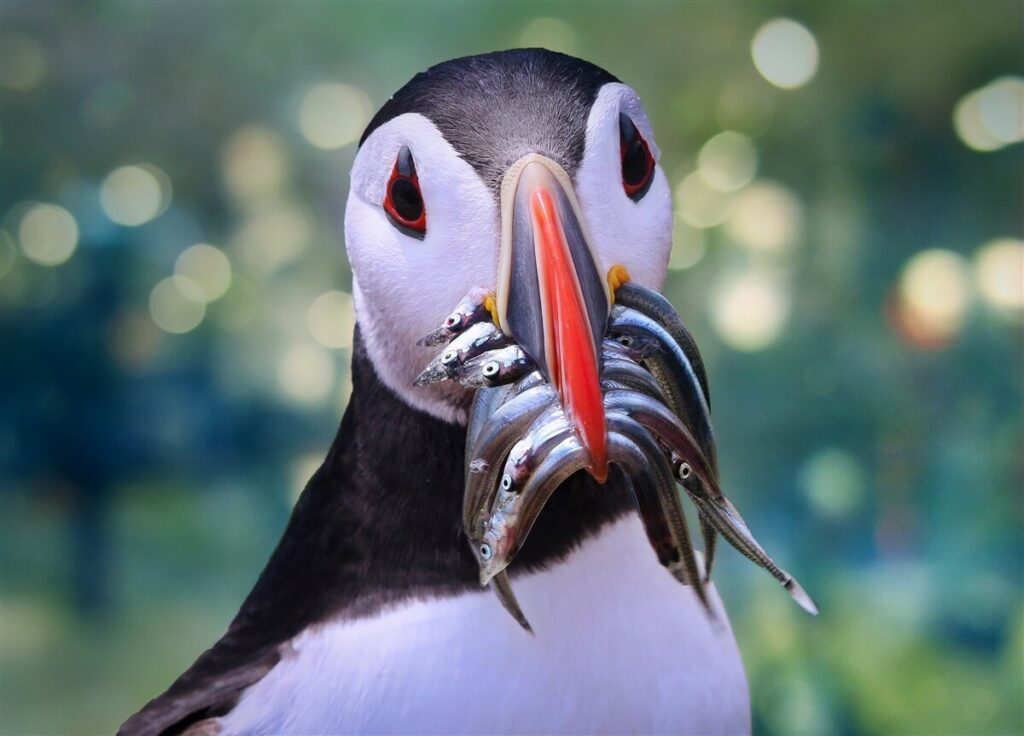
Sumburgh Head is a useful starting point for visitors interested in seabirds. The RSPB reserve guide describes its summer colonies, including puffins, guillemots, fulmars and shags. Puffins are a seasonal attraction, so do not assume a winter visit will offer the same experience as a breeding-season outing.
Take binoculars if you have them, stay on appropriate routes and allow time to watch quietly. A photograph is never a reason to approach a nest or push towards a cliff edge. Look at the reserve’s current advice before travelling, including any temporary restrictions.
Enjoy the shore without expecting a sighting
The RSPB also notes that whales and dolphins can sometimes be seen from Sumburgh Head. These are possibilities rather than scheduled attractions. Give yourself a pleasant coastal outing regardless of what appears, and treat an unexpected sighting as a bonus.
If wildlife is the main purpose of your holiday, consider a knowledgeable local guide and ask what is realistic for your dates. When choosing a boat trip, check the meeting point, duration, accessibility and cancellation arrangements directly with the operator.
Make a beach the destination
St Ninian’s Isle, approached from Bigton, is known for its sandy tombolo linking the island to Mainland. The South Mainland visitor leaflet provides local context. It can form the focus of a South Mainland day rather than a hurried stop between several attractions.
A beautiful beach is not automatically a suitable swimming spot. Decide what you want from the visit — a walk, photographs or somewhere to sit — and assess conditions when you arrive. Keep away from rough water and do not assume a sheltered-looking view means calm conditions around the next headland.
Choose a walk you can comfortably finish
Coastal terrain varies, and a short distance on a map does not describe the ground underfoot. Use a detailed route description and suitable map for the walk you choose. Check the forecast, daylight and return transport, and be ready to shorten the outing if conditions deteriorate.
For an exposed place such as Eshaness, the landscape can be enjoyed without committing to a long cliff walk. Keep children closely supervised, give edges a wide margin and choose another activity when wind or visibility makes the visit uncomfortable.
Leave space for people and wildlife
Use designated parking where available, keep access clear and follow signs around livestock and nesting areas. Carry litter out and give animals room to move away. For a first visit, one well-chosen outdoor stop with time to linger is often more satisfying than a day spent driving between distant viewpoints.
